Source Non Slip Yoga Socks for Pilates, Gym, and Home
Source non slip yoga socks from 30 verified listings. Compare features like organic cotton and nylon materials, ankle and crew lengths, and high elasticity options tailored for Pilates, gym workouts, and home use; compare the available evidence and request quotations based on your requirements.
Key considerations
Products List




Comprehensive Sourcing Guide
Non Slip Yoga Socks Sourcing Guide
Sourcing non slip yoga socks requires a nuanced understanding of material performance, specifically the balance between breathability and grip durability. Buyers must evaluate whether the product aligns with specific yoga styles, as high-intensity practices demand different friction coefficients than gentle stretching sessions. The observed market data indicates a strong presence of organic cotton and nylon blends, suggesting that material composition is a primary differentiator for thermal regulation and moisture management. Procurement teams should prioritize suppliers who can demonstrate consistent elasticity recovery, ensuring the socks maintain their fit and non-slip properties after repeated washing cycles.
Commercial viability also hinges on understanding the diverse application contexts, ranging from standard studio use to specialized pilates or therapeutic environments. The available product attributes highlight features such as anti-bacterial properties and sweat absorption, which are critical for hygiene in shared studio settings. Buyers should verify if the non-slip silicone patterns are embedded directly into the fabric or applied as a surface coating, as this affects longevity and comfort. Additionally, the unisex nature of many offerings allows for simplified inventory management, but size standardization remains a key consideration to minimize returns and ensure customer satisfaction across different foot shapes.
Product Scope and Observed Listing Signals
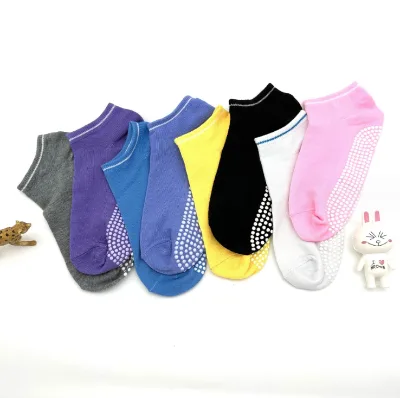
The current market landscape for non slip yoga socks reveals a wide spectrum of product variations, primarily distinguished by length, thickness, and material composition. Listings indicate the availability of ankle, crew, and custom-length options, catering to diverse user preferences for coverage and aesthetic appeal. Thickness ranges from normal to thick, allowing buyers to select products suitable for different seasonal demands or studio temperatures. The presence of animal patterns and colored designs suggests that visual customization is a significant driver for retail appeal, enabling brands to differentiate their offerings in a crowded marketplace.
Observations also point to a strong emphasis on customization capabilities, with suppliers offering tailored packaging and specific needle counts for knitting precision. The observed minimum order quantities vary significantly, ranging from small trial orders to bulk commitments, which impacts initial capital expenditure and risk management for new entrants. Sample times are generally short, facilitating rapid prototyping and quality assessment before full-scale production. Buyers should note that while many products claim high quality and eco-friendly attributes, these are often general marketing terms that require specific verification through material certifications and supply chain audits to ensure authenticity.
Technical Specifications to Verify
Technical due diligence must focus on the structural integrity of the non-slip elements, particularly the silicone grip patterns that prevent sliding on yoga mats. Buyers should request detailed specifications regarding the density and placement of these grips, as uneven distribution can lead to discomfort or reduced effectiveness during practice. The elasticity of the fabric is another critical parameter, with high elasticity being a common feature to ensure a snug fit that does not restrict circulation. Verification of the knitting technology, such as the number of needles used, can provide insights into the fineness and durability of the sock’s construction, influencing both comfort and lifespan.
Material composition analysis is essential to confirm claims of organic cotton or nylon blends, as these directly impact breathability and moisture-wicking capabilities. Buyers should verify the thickness specifications, noting that medium to thick options may offer better cushioning but could affect heat dissipation during intense sessions. The washability of the product is a key performance indicator, requiring confirmation that the non-slip features do not degrade after multiple laundering cycles. Additionally, the availability of custom sizing and standard size ranges (S, M, L, XL) should be cross-referenced with target demographic data to ensure optimal fit and minimize sizing-related returns.
Compliance and Safety Documentation
Safety and compliance documentation are paramount when sourcing products intended for direct skin contact in fitness environments. Buyers must ensure that all materials used, including dyes and silicone grips, comply with relevant chemical safety standards for textiles, such as restrictions on harmful substances like azo dyes or heavy metals. The claim of anti-bacterial properties requires substantiation through independent laboratory testing, as this is a significant health benefit for users in shared spaces. Verification of these certifications helps mitigate liability risks and ensures that the products meet international safety expectations for consumer goods.
Environmental compliance is increasingly important, with many buyers seeking proof of sustainable sourcing for organic cotton and eco-friendly manufacturing processes. Documentation should include evidence of responsible water usage and waste management in the production facilities, particularly given the origin of many suppliers in major textile manufacturing hubs. Buyers should also verify that the products meet any specific regional regulations regarding textile labeling and care instructions, ensuring that consumers are provided with accurate information on how to maintain the product’s integrity. Clear compliance records enhance brand reputation and facilitate smoother entry into regulated markets.
Cost Drivers and Commercial Terms
Cost structures for non slip yoga socks are influenced by material selection, customization complexity, and order volume. Organic cotton and specialized nylon blends typically command higher prices than standard synthetic materials, reflecting the cost of sustainable sourcing and processing. Customization options, such as unique packaging, specific needle counts, or tailored designs, add to the production cost and may affect the minimum order quantity thresholds. Buyers should analyze the total landed cost, including shipping and tariffs, rather than focusing solely on the unit price, to accurately assess profitability and competitive positioning.
Commercial terms, including payment conditions and delivery timelines, vary among suppliers and should be negotiated based on order size and relationship history. The observed sample times of three to seven days and delivery dates of fifteen to twenty-five days provide a baseline for planning inventory replenishment. Buyers should clarify whether the quoted prices include packaging and labeling services, as these can significantly impact the final cost per unit. Understanding the flexibility of order adjustments and the penalties for late deliveries is crucial for maintaining supply chain resilience and meeting customer demand without excessive stockouts or overstock situations.
Supplier Qualification and Quality Control
Supplier qualification involves a rigorous assessment of manufacturing capabilities, quality management systems, and ethical labor practices. Buyers should verify the supplier’s experience in producing technical textiles, particularly those with integrated grip features, to ensure they possess the necessary expertise. On-site audits or third-party inspections can confirm that the production facilities adhere to strict quality control protocols, minimizing defects in stitching, elasticity, and grip application. Establishing a clear communication channel for technical queries and issue resolution is essential for maintaining product consistency and addressing any production anomalies promptly.
Quality control procedures should include pre-production sample approvals, in-line inspections during manufacturing, and final random inspections before shipment. Buyers should define acceptable quality limits for critical attributes such as color fastness, shrinkage, and grip durability, ensuring these are contractually binding. Implementing a robust feedback loop from end-users can help identify recurring issues and drive continuous improvement in product design and manufacturing processes. Building a long-term partnership with a qualified supplier reduces the risk of supply disruptions and ensures that the brand can scale operations efficiently while maintaining high product standards.
Long-Term Procurement Checks
Long-term procurement success depends on continuous monitoring of supplier performance, market trends, and product innovation. Buyers should regularly review key performance indicators such as on-time delivery rates, defect percentages, and responsiveness to quality issues to ensure ongoing supplier reliability. Staying informed about emerging materials and technologies in the yoga sock sector, such as advanced moisture-wicking fabrics or more durable grip patterns, allows for proactive product updates and competitive differentiation. Engaging in strategic discussions with suppliers about future development plans can uncover opportunities for cost optimization and feature enhancements that align with evolving consumer preferences.
Sustainability and ethical sourcing remain critical long-term considerations, requiring ongoing verification of supply chain transparency and environmental impact. Buyers should periodically reassess their supplier’s compliance with labor standards and environmental regulations to mitigate reputational risks and ensure alignment with corporate social responsibility goals. Building a diversified supplier base can reduce dependency on single sources and provide flexibility in responding to market fluctuations or supply chain disruptions. By maintaining a strategic focus on quality, compliance, and innovation, buyers can secure a sustainable competitive advantage in the growing non slip yoga socks market.
FAQs
What materials are used for non slip yoga socks?
Non slip yoga socks are typically crafted from organic cotton, nylon, or standard cotton blends to ensure comfort and durability. These materials provide breathability and moisture-wicking properties, which are essential for maintaining foot hygiene during intense yoga sessions. The choice of material often depends on the desired level of softness and elasticity required for the specific activity.
Can non slip yoga socks be customized for branding?
Yes, customization is available for non slip yoga socks, allowing buyers to add specific logos or designs. Suppliers often accept custom packaging and can adjust product models to meet unique branding requirements. This flexibility supports businesses looking to create private label products that stand out in the competitive athletic wear market while maintaining high quality standards.
What is the typical MOQ for ordering non slip yoga socks?
The minimum order quantity for non slip yoga socks generally ranges from 50 to 5000 pairs, depending on the supplier and product specifications. Some vendors offer lower MOQs starting at 300 or 100 pairs to accommodate smaller businesses. Buyers should verify the specific MOQ requirements with manufacturers, as these thresholds can vary based on customization needs and production capacity.
How long does delivery take for non slip yoga socks?
Delivery times for non slip yoga socks typically range from 15 to 25 days after order confirmation. Sample preparation usually takes 3 to 7 days, depending on the complexity of the request. These lead times allow manufacturers to produce high-quality, sweat-absorbent socks with non-slip bottoms, ensuring that orders are fulfilled efficiently while maintaining strict quality control standards.
Are non slip yoga socks suitable for indoor and outdoor use?
Non slip yoga socks are designed for both indoor and outdoor use, featuring non-slip bottoms for enhanced stability. They are suitable for various activities including yoga, pilates, and general fitness routines. The durable construction and high elasticity ensure a secure fit, making them versatile for different environments while providing comfort and safety for users of all ages.
What sizes are available for non slip yoga socks?
Non slip yoga socks are available in various sizes, including free size, large, and standard sizing options like S, M, L, and XL. Some models are specifically designed as ankle socks or crew socks to suit different preferences. Custom sizing is also available for bulk orders, allowing buyers to select the most appropriate fit for their target demographic and usage requirements.